What Changed in Wardogs Season 2 and Why the Rain Rewrites Every Fight?
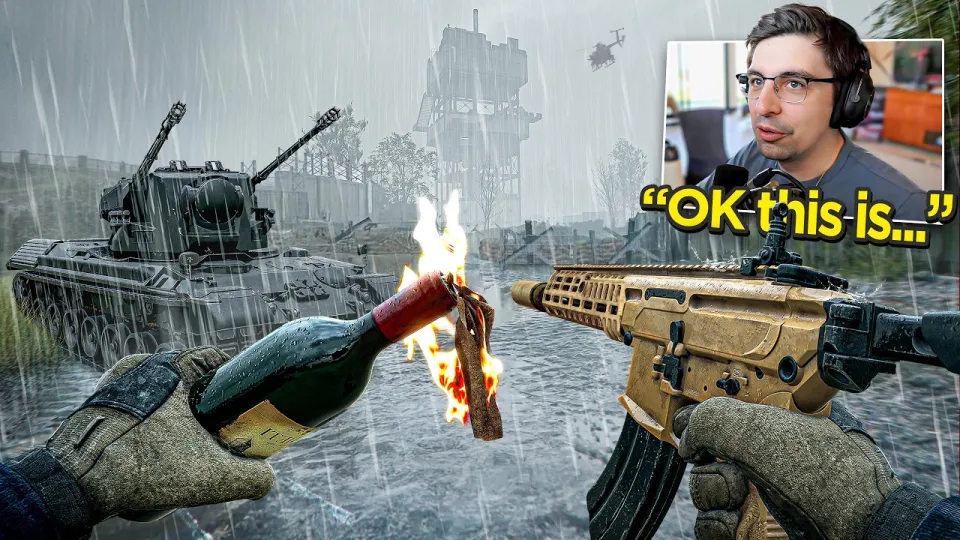
Video: Wardogs Is a Completely Different Game Now...
Want articles like this for your own video to promote it on YouTube and Google? Order them through the Telegram bot @sat_sit_bot. It writes articles around your video, embeds the video and publishes them on popular niche websites (no ads). Free trial — 50 articles.
· based on the channel shroud
Key takeaways
- Season 2 of Wardogs introduced dynamic rain as a full gameplay modifier, not a cosmetic effect.
- Rain drops visibility to roughly 190 meters, gutting long-range sniping on open maps.
- HP ammo and leg shots become the answer to armored targets that soak up torso damage.
- Squads stacked in one voice chat hold a real edge over larger, uncoordinated groups.
- Infrared goggles gain value in rain because thermal contrast survives the gray-out.
Wardogs is an extraction shooter where a single weather layer can flip the outcome of a raid, and Season 2's rain does exactly that: it cuts sightlines, muffles audio cues and pushes fights into close range, so the game plays like a different title. The shift is big enough that shroud's squad spent entire raids relearning basics, and you can follow the full show via the shroud Spotify podcast if you want the commentary version. Below is what actually changes in the rain, which gear matters now, and how to adapt before the storm costs you a kit.
Why does rain make Wardogs feel like a completely different game?
Rain is a global modifier that rewrites three systems at once: visibility, sound and engagement range. In clear weather a raid is a spotting contest — whoever sees the other squad first at 250–300 meters wins the trade. Under heavy rain that contest collapses, because targets blur into the gray past roughly 190 meters even on a good optic, and anything beyond that is guesswork.
The second change is audio. Rain adds a constant noise floor that masks footsteps, reloads and distant gunfire, so the information you normally farm from sound dries up. Players who rely on hearing a squad rotate through a treeline suddenly get surprised at 30 meters.
The third change is pacing. Because nobody can hold a long angle reliably, squads push compounds, bridges and towers instead of camping ridges. Fights compress into rooms, stairwells and doorways, which favors SMGs, shotguns and aggressive entry players over marksman rifles.
What breaks first in the rain and what replaces it
Sniping is the clearest casualty of the weather system, and the fix is a shorter, louder loadout. If you build around a bolt-action or a high-magnification DMR, expect to spend most of the raid holding angles you cannot actually see down.
- Drop the long optic for a 1x–4x or a red dot; you will be shooting inside 100 meters most of the time.
- Swap the marksman rifle for an SMG or a compact rifle with fast handling — the PP-19 style platforms shine because they cycle quickly in tight spaces.
- Carry HP (hollow-point) ammunition for armored targets and use it on limbs, not center mass.
- Keep a sidearm or a backup with a different ammo type so a bad reload does not end the raid.
- Pack more healing than usual — rain fights are chaotic and you will take chip damage you cannot predict.
Why leg shots and HP ammo decide armored fights
The single most repeated mistake in rain combat is shooting armor with the wrong ammo and blaming the gun. Hollow-point rounds trade penetration for flesh damage, which means they punish limbs and unarmored zones while doing almost nothing to a plate. A target in class 4 or 5 armor can eat a full magazine to the chest and still walk.
The correct pattern is simple: aim at the legs, break the movement, then finish. Leg damage slows the target, forces healing, and opens the torso for a follow-up once the armor is degraded or the player panics. It feels wrong after years of center-mass habits, and it is the exact habit that gets squads killed in Season 2.
A related trap is magazine discipline. Repacking rounds mid-fight — especially while dropping into a building or crossing an open door — is a death sentence when the enemy already knows where you are. Reload behind cover, then clear the room; do not do both at once.
How squads should rotate when visibility collapses
Rain rewards coordinated, small groups over large uncoordinated ones, and the reason is information sharing. Twenty players spread across a map with separate comms cannot cover the same ground as six players in one voice channel calling contacts, ammo states and flanks in real time.
Practical rotation rules for wet weather:
- Move along hard cover — walls, containers, rock lines — instead of open fields, because you cannot spot a shooter at distance.
- Clear compounds from the top down so stairwell fights happen on your terms.
- Assign one player to watch the rear; rain masks the sound of a squad stacking behind you.
- Use towers and bridges as short holding points, not as camps — they attract pushes once gunfire gives away your position.
- Bank loot earlier than usual. Rain fights are close and lethal, and a full kit is worth more than one more contested building.
Where infrared goggles and weather gear fit in
Thermal contrast survives the gray-out better than a plain optic, which makes infrared goggles noticeably stronger in rain than in clear weather. A heat signature still reads through falling water at ranges where a red dot sees nothing, so players who already own a set should treat it as core kit rather than a luxury.
Weather gear is the second layer. Rain typically comes with a wetness or exposure penalty if your loadout is built for dry conditions, so check your insulation and water protection before queuing into a storm map. The cheapest mistake in Season 2 is loading a sniper build with no weather protection and losing the raid to the environment rather than to a player.
Common questions from the rain meta
Most confusion around the new weather comes from players who carried over clear-weather habits. The recurring themes: whether sniping is dead (not dead, just unreliable past roughly 190 meters), whether the gun or the ammo is at fault when a target survives a magazine (usually the ammo and the aim point), and whether big groups still work (they do, but only with shared comms and a tight formation).
The other frequent complaint is game sense under pressure — pushing a building where you were just shot from, then reloading instead of clearing the angle. Rain amplifies those errors because you get less warning, so slow down at doorways and finish the fight before you touch your inventory.
Useful links
- shroud Spotify podcast — the show behind the rain-era Wardogs sessions.
- Logitech G — peripherals, with the creator promo code shroud.
- MAINGEAR x shroud PC — the build used for the streams.
- shroud on Twitter and shroud on Twitch — schedules and live raids.
The bottom line on Wardogs Season 2
Rain is not a visual filter in Wardogs Season 2 — it is a balance patch delivered as weather, and it rewrites sightlines, audio and engagement distances in one move. Squads that adapt loadouts toward SMGs, HP ammo and leg shots, and that rotate in tight voice-comms groups, will farm the players still holding sniper angles in the fog. Infrared goggles and weather protection turn from optional to standard, and banking loot early beats chasing one more contested compound. The shroud channel is a useful reference point here, because the sessions show the adaptation happening live rather than in a patch note. If you want the unedited version, the shroud Spotify show is the place to start.
Questions & answers
Is sniping completely useless in Wardogs Season 2 rain?
No, but it is unreliable. Visibility drops to roughly 190 meters in heavy rain, so long-range holds become guesswork and marksman rifles lose most of their value. Keep a short-range primary for the raid and treat a sniper as a situational pick for breaks in the weather.
Why does my gun feel weak against armored players in the rain?
Ammo type and aim point matter more than the weapon. Hollow-point rounds do little to a plate but punish limbs, so a chest-full of HP ammo can leave an armored target alive. Aim at the legs to break movement, then finish once the target is slowed or healing.
Do large squads still work in the new weather?
They work only with real coordination. Twenty players spread across separate comms cannot match six players in one voice channel sharing contacts and flanks in real time. In rain, information sharing beats raw numbers because nobody can see far enough to cover ground alone.
Are infrared goggles worth using now?
Yes, more than in clear weather. Thermal contrast reads through falling rain at ranges where a standard optic sees only gray, so infrared goggles turn into core kit for storm raids. Pair them with weather-protected gear so exposure does not end the run.
Source: Wardogs Is a Completely Different Game Now... · Markdown version